Lemon Garlic Chicken: A Culinary Engineering Manifesto
Project Specifications
- Prep Time: 15 minutes
- Inactive Time: 30 minutes (marination)
- Cook Time: 30 minutes
- Total Time: 1 hour 15 minutes
- Servings: 4
- Detailed Cost Estimate: $15.50 USD
The Ingredient Architecture
1. Protein Matrix
- 4 Chicken Breasts (approx. 1.5 lbs)
2. Acidic Mediator
- Juice of 2 Lemons (approximately 1/2 cup)
3. Flavor Enhancers
- 4 Cloves of Garlic (minced)
- 1 tsp Zest of Lemon
- 2 tbsp Fresh Parsley (chopped)
4. Lipid Components
- 3 tbsp Olive Oil
- 1 tbsp Butter
5. Seasoning Agents
- 1 tsp Salt
- 1/2 tsp Black Pepper
- 1/2 tsp Red Pepper Flakes (optional)
The Phase-Based Workflow
Phase 1: Preparation and Marination
Commence the process by initializing a depth of flavor through marinade creation.
- In a mixing bowl, combine the lemon juice, minced garlic, lemon zest, olive oil, salt, black pepper, and red pepper flakes. Whisk vigorously to emulsify the mixture.
- Submerge the chicken breasts into the marinade, ensuring complete coverage. Allow the chicken to marinate in the refrigerator for a minimum of 30 minutes, ideally longer for enhanced flavor penetration.
The Science
Marination tenderizes the chicken through enzymatic action, while the acidity from the lemon juice enhances flavor and moisture retention.
Phase 2: Cooking
Transitioning from raw to cooked requires careful temperature management.
- Preheat your oven to 400°F (205°C), a temperature optimal for roasting chicken to golden brown perfection.
- In a large oven-safe skillet, heat butter and remaining olive oil over medium-high heat until shimmering.
- Introduce the marinated chicken breasts into the skillet. Sear each side for approximately 3-4 minutes until a golden-brown crust forms.
- Transfer the skillet to the preheated oven. Roast for 20-25 minutes or until the internal temperature reaches 165°F (74°C).
The Logic
Utilizing both stovetop and oven methods ensures the chicken is both seared for flavor and cooked evenly throughout. The Maillard reaction during searing contributes to the development of rich flavors.
Phase 3: Plating and Presentation
After cooking, the final touch is crucial for a visually stunning presentation.
- Remove the skillet from the oven and let the chicken rest for 5 minutes to allow juices to redistribute.
- Garnish with fresh parsley for color and brightness, and serve directly from the skillet for an appealing rustic aesthetic.
The Science
Resting meat is essential; it allows proteins to relax, resulting in juicier, more tender chicken.
Visual Aids
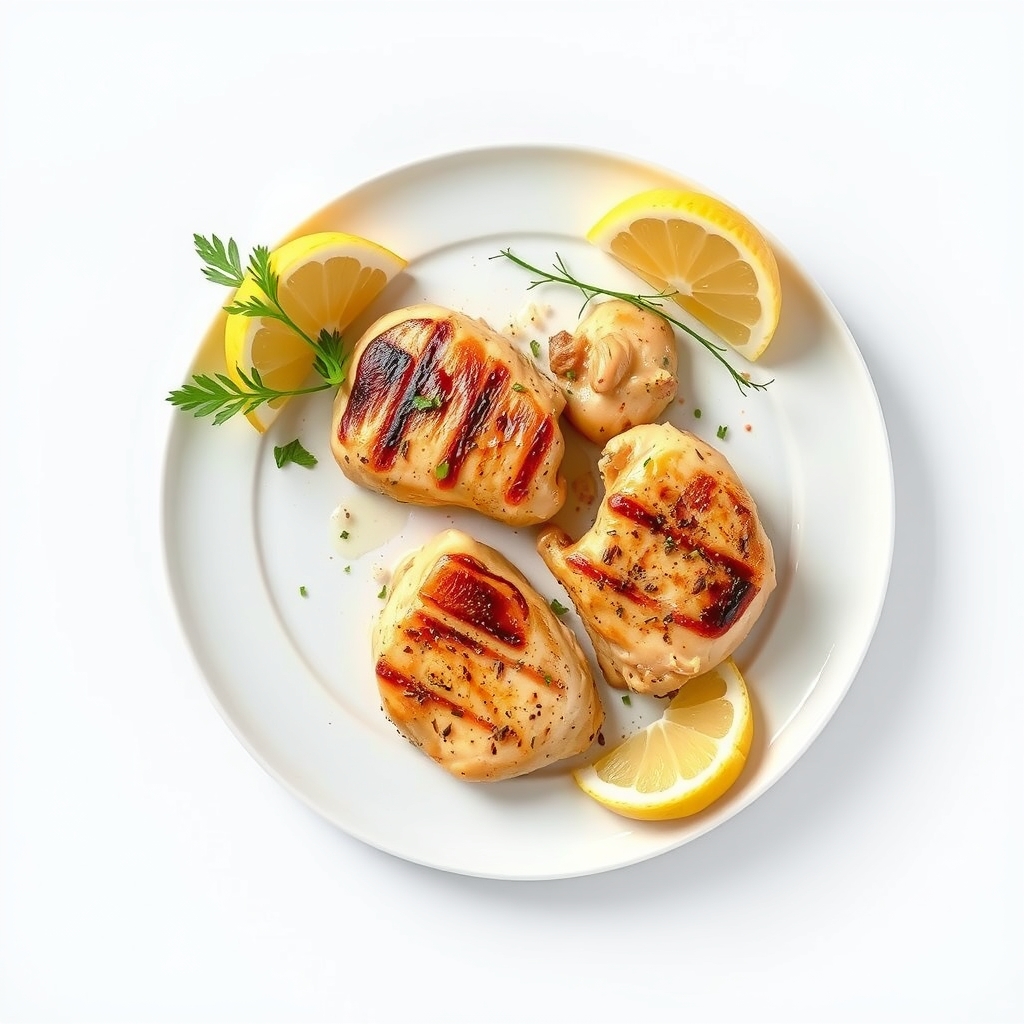
Resting and Servicing
Upon completion of the culinary process, it is vital to allow the dish to rest briefly, enhancing overall flavor and texture. Serve the Lemon Garlic Chicken with a side of steamed vegetables or a fresh salad to complement its rich, zesty profile. As an engineer of flavors, you have transformed simple ingredients through science and technique into a quintessential meal experience, ready to delight and nourish those at your table.